
High-Performance Chemical Filter for Airport Ventilation Systems: A Strategic Guide
Ensuring safety, passenger comfort, and equipment longevity through advanced gas-phase filtration solutions.
The Critical Need for Specialized Air Filtration in Modern Aviation Hubs
Airports are unique environments that face an extraordinary concentration of airborne pollutants. From jet engine exhaust and kerosene fumes to the high volume of organic compounds generated by thousands of daily travelers, standard particulate filtration is often insufficient. For facility managers and engineers, implementing a robust chemical filter for airport ventilation systems is no longer optional; it is a fundamental requirement for maintaining a safe and welcoming environment.
At RZj Clear Air, we understand that the challenge lies in neutralizing gaseous pollutants that bypass traditional HEPA filters. These pollutants, often categorized as Airborne Molecular Contamination (AMC), can lead to poor indoor air quality, health complaints from staff, and the accelerated corrosion of sensitive airport electronics.
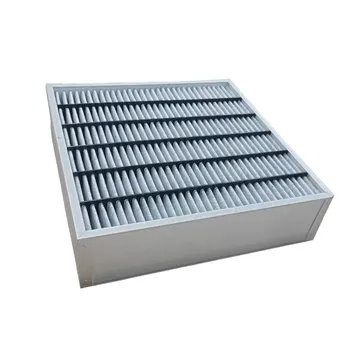
What is a Chemical Filter for Airport Ventilation Systems?
Unlike mechanical filters that trap dust and pollen, a chemical filter for airport ventilation systems utilizes molecular-level adsorption and chemisorption. Using specialized media like activated carbon, impregnated aluminas, or carbon-fiber cloths, these filters specifically target:
- Sulfur Dioxide (SO2) and Nitrogen Oxides (NOx) from jet fuel combustion.
- Volatile Organic Compounds (VOCs) from cleaning agents and paints.
- Ozone and unpleasant odors in high-traffic concourses.
Strategic Solutions for Large-Scale Air Handling
The sheer volume of air moved within an airport requires high-capacity solutions that do not compromise energy efficiency. Our V-type filters are engineered specifically for this purpose. By using a V-bank configuration, we maximize the surface area of the chemical media, allowing for lower pressure drops even at high face velocities.
Key Factors in Selecting the Right Filter
The selection of a specific chemical filter for airport ventilation systems depends heavily on the local concentration of pollutants. For instance, gate areas may require higher concentrations of acid gas removal media, whereas terminal lounges might prioritize VOC and odor control. RZj Clear Air offers several specialized products for these environments:
Targeting SO2 and NOx to protect airport infrastructure from corrosion. View Product
High-efficiency removal of VOCs with low resistance. View Product
Tailored for large Air Handling Units in commercial settings. Learn More
Why Trust RZj Clear Air?
With over a decade of experience in the air purification industry, RZj Clear Air has provided filtration solutions for some of the most demanding environments, including semiconductor cleanrooms and large-scale industrial processing plants. Our commitment to quality ensures that every chemical filter for airport ventilation systems we produce meets rigorous performance standards. We leverage high-grade materials and advanced manufacturing techniques to ensure that our clients receive durable, high-efficiency products that reduce the Total Cost of Ownership (TCO).
Certified Standards
Custom Solutions
Global Delivery
Frequently Asked Questions
How often should a chemical filter for airport ventilation systems be replaced?
Replacement intervals depend on the pollutant concentration and airflow. Typically, chemical filters should be monitored via pressure drop or gas breakthrough tests and replaced every 6 to 12 months in heavy aviation environments.
Can these filters be retrofitted into existing AHUs?
Yes, our chemical filters are designed to fit standard filter tracks in most commercial Air Handling Units. We offer various frame sizes and depths to ensure compatibility.
Are these filters effective against jet fuel odors?
Absolutely. Using activated carbon media specifically treated for hydrocarbons is the most effective way to eliminate the distinct smell of jet fuel from passenger terminals.
Invest in Superior Air Quality Today
Choosing the right chemical filter for airport ventilation systems is a critical investment in public health and operational efficiency. By partnering with RZj Clear Air, you gain access to expert technical support and a wide range of customizable filtration products designed for high-performance air purification.
Have technical questions? Contact our specialist team to learn more about our engineering standards.